

Sense of belonging: how can we support international students?
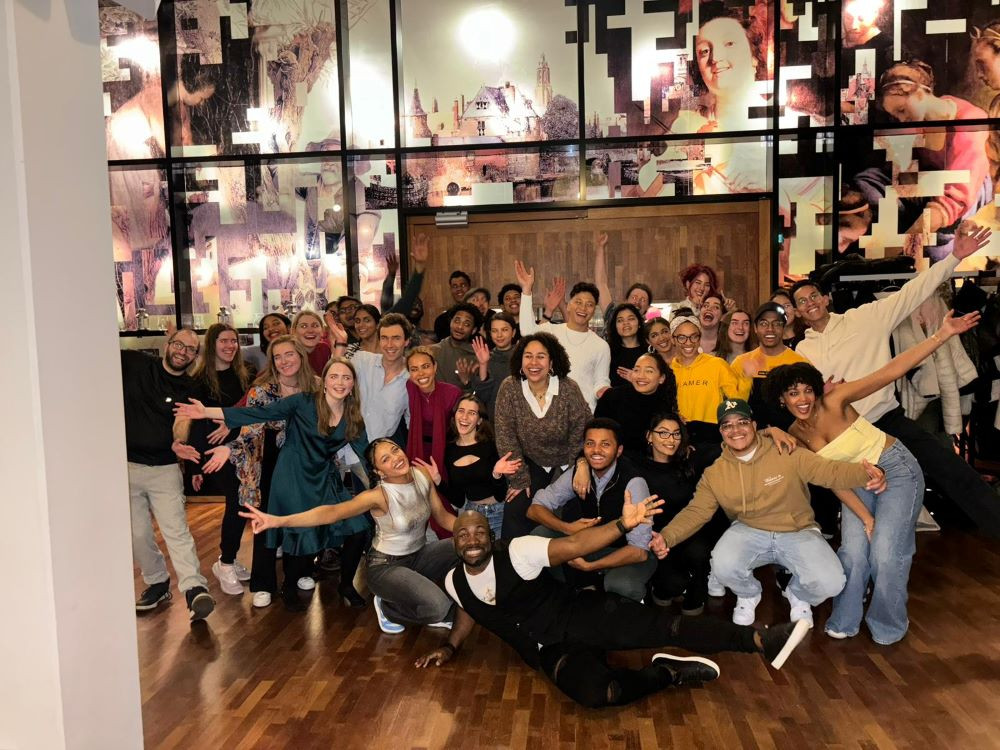
How do we make international students feel at home at Inholland University of Applied Sciences? This was the theme at the most recent Community of Practice (CoP) for Diversity on 30 January. Many international students find it difficult to find their way in the Netherlands and at Inholland. This lack of a sense of belonging can have a negative effect on their well-being and even lead to them dropping out. The CoP focused on initiatives that contribute to a smoother transition to – and a stronger sense of belonging at – Inholland.
One inspirational initiative was suggested by Imani Hooi, an International Creative Business student and founder of Caribbean United in The Hague. Two years ago, she founded this community to bring together students of Caribbean descent or with an affinity for Caribbean culture. ‘Putting accommodation issues aside, I noticed that many Caribbean students are often treated like Dutch students. This in spite of the fact that they often encounter specific challenges, such as uncertainty about correct language use and unfamiliarity with practical issues.’
Cultural recognition
Caribbean United organises low-threshold events for students to meet and share experiences. ‘We want to give students a sense of home, among other things with Caribbean food and music.’ In addition, Imani is completing a graduation research project on how to provide better support to Caribbean students. ‘A key finding was that cultural recognition is crucial. There are also differences within the Caribbean community. It is essential to be mindful of this as a university of applied sciences’, Imani explains.
Another speaker at the CoP was Sheovan Deira, founder of the Surinamese student community SUHolland in Amsterdam. She recognises the challenges faced by international students, having moved to the Netherlands to study herself in 2022. As she speaks the language and has family here, she thought she was well prepared. ‘Although I started making preparations well ahead of time, I still faced many challenges, from applying for a citizen service number and opening a bank account to finding work. Companies actually had to apply for a work permit to hire me, and many didn’t want to. Many processes are unfamiliar to international students, which makes matters difficult.’
Workshops and guidance
Her own experiences prompted Sheovan to take action. ‘I saw that many students were facing the same obstacles. If we share information earlier, we can make it easier for everyone.’ Thus was born SUHolland, a community where students can find practical information as well as conviviality and recognition. ‘Not only do we organise cultural events, like Keti Koti and Surinamese Christmas celebrations, but we also offer workshops and guidance. Our goal is for students to feel at home.’
Community building coordinator
Jurio Maduro, lecturer in Social Work in The Hague and recently appointed as community building coordinator at Inholland, is equally aware of the problems that international students face. He himself came to the Netherlands from Aruba when he was 19. ‘It was exciting and new, but also a culture shock. Everything was different, from the education system and public transport to the way people interacted. I was lucky to have family here, but many students are on their own.’
His own experiences made him aware of the challenges awaiting international students. ‘I see students going through the same things as I did back then and running into the same problems. I often ask myself: what guidance would I have wanted when I was a student? How can we support these students?’
Jurio’s new position is all about building a community. ‘A community means not just a group of students who seek each other out, but an environment where they feel welcome. At Inholland, we want to create an ecosystem where students feel recognised and supported, and where they can and are allowed to be themselves.’
Why take part in the CoP?
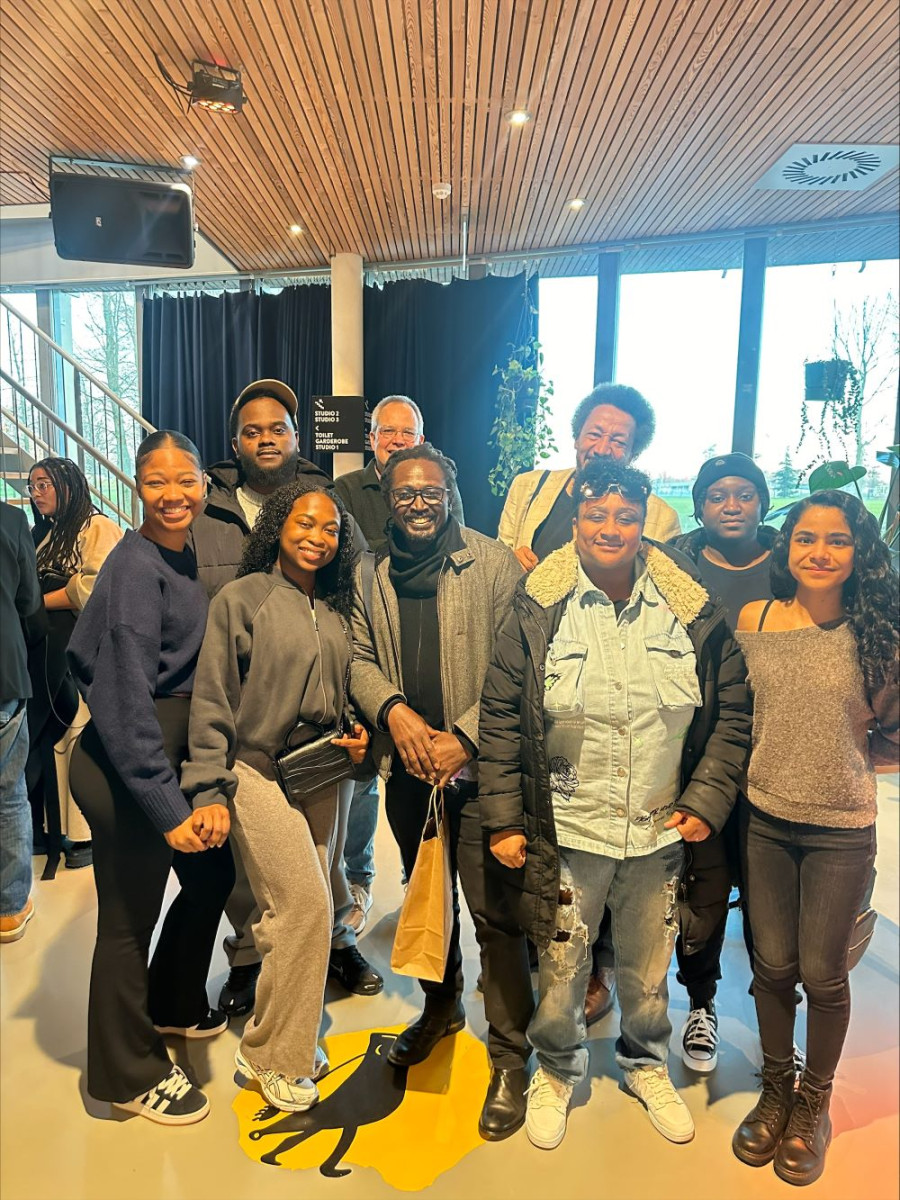
Both Imani and Sheovan stress the importance of meetings such as the CoP. ‘We often work in our own bubbles, but by coming together, we can learn from each other and strengthen each other’, says Sheovan. ‘At SUHolland, for example, we learned how important it is to contact students coming to the Netherlands in advance. This is already being done for Caribbean students, but not yet for Surinamese students. That’s something we have to address.’
Collective responsibility
In addition, Jurio sees a broader responsibility: ‘A sense of belonging should be at the core of how we support international students. The figures don’t lie: since 2010, only 9% of Caribbean and Surinamese students have graduated. That means we have a collective responsibility as a university of applied sciences to improve this.’
The CoP provides a valuable platform to share knowledge and experiences and to seek solutions together. Would you like to contribute to a more inclusive environment for students and colleagues as well? Make sure you attend the next CoP!
Contact
If you have any questions and/or ideas on how we can support Caribbean or Surinamese students, please contact Jurio at jurio.maduro@inholland.nl or call 06 1527 9398.
The next meeting of the CoP for Diversity will take place from 14.00 to 16.00 on Thursday 10 April 2025 and have the theme of ‘Money worries, study worries: a concern for Inholland?’. More and more students are faced with financial challenges. These affect both their academic performance and well-being. Recent research from the Diversity Issues research group shows that there is still a taboo on discussing this and, at the same time, a need for more support for students having financial problems. What is needed to provide this support and what role does Inholland have in this?
This meeting for both students and colleagues will be held in Dutch and can be attended online. Interested? Sign up for the CoP now to receive an invitation to attend the meeting in due course.